
Končni rezultat in ocena obnove
Uvod
Po več dneh čiščenja, sušenja, obnove briarja in ustnikov je napočil trenutek, ko so bile vse pipe ponovno sestavljene. Šele takrat se dokončno pokaže, ali je bilo vloženo delo upravičeno in ali je posamezna pipa ponovno dobila svoj značaj.
Od prvih dražbenih fotografij do končne obnove je projekt zahteval precej več ur dela, kot sem sprva pričakoval. Prav zato je bil ta trenutek tudi najbolj pričakovan – prvi pogled na vseh šest obnovljenih pip kot zaključeno celoto.
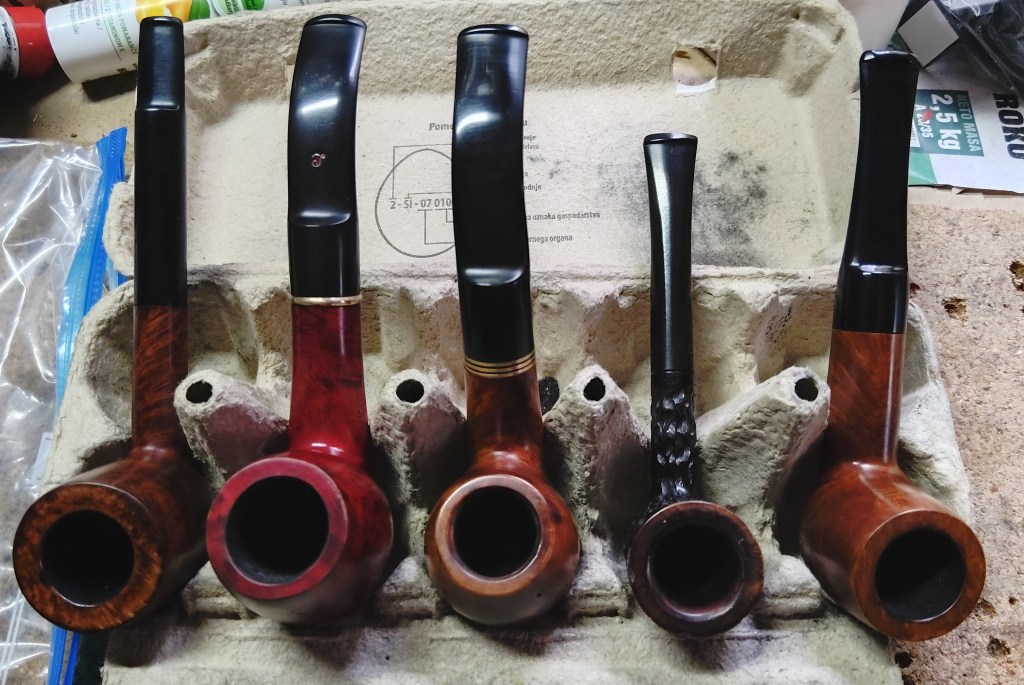
Slika 1. Vseh pet obnovljenih pip po ponovni sestavi.
So se začetna pričakovanja uresničila?
Že v prvem delu serije sem zapisal svoja pričakovanja glede posameznih pip. Zdaj, ko je obnova zaključena, jih lahko primerjam z dejanskim stanjem.
Passatore
Na dražbenih fotografijah je delovala kot najbolj utrujena pipa v kompletu. Po obnovi pa se je izkazala za eno največjih pozitivnih presenečenj. Pod debelo plastjo oglja in umazanije se je skrival lepo ohranjen briar z izrazitim vzorcem in zelo prijetnim karakterjem. Danes si je skoraj težko predstavljati, da je bila ob prihodu videti najbolj zanemarjena.
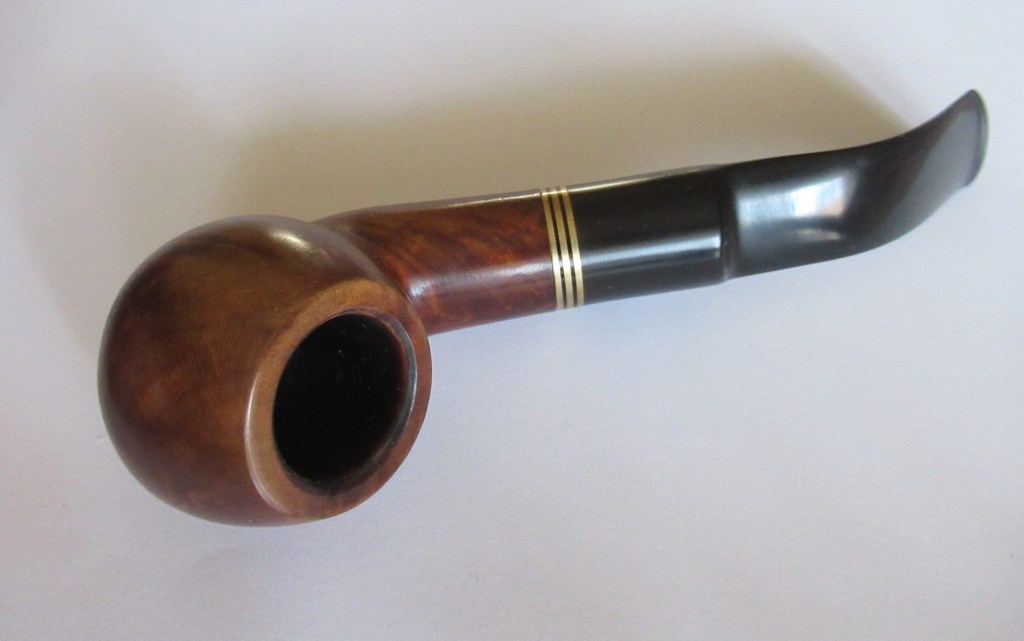
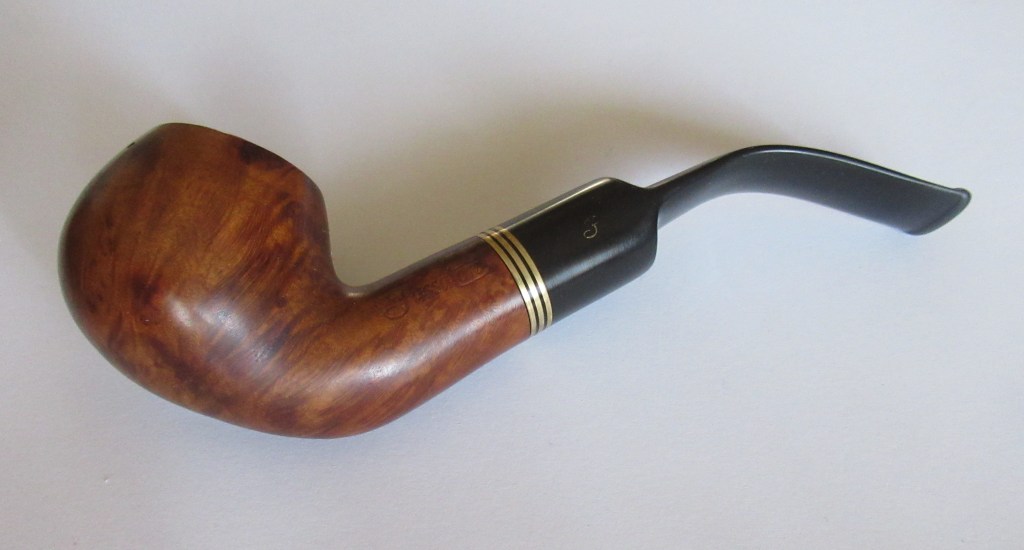
Slika 2-3. Passtore po obnovi
Lorenzo
Lorenzo je že na začetku dajala vtis kakovostne pipe, vendar je šele po obnovi zares pokazala svoj značaj. Bogati rdečkasti odtenki, globina finiša in lepo poudarjen vzorec briarja so bili na dražbenih fotografijah precej skriti. Končni rezultat je presegel moja pričakovanja.
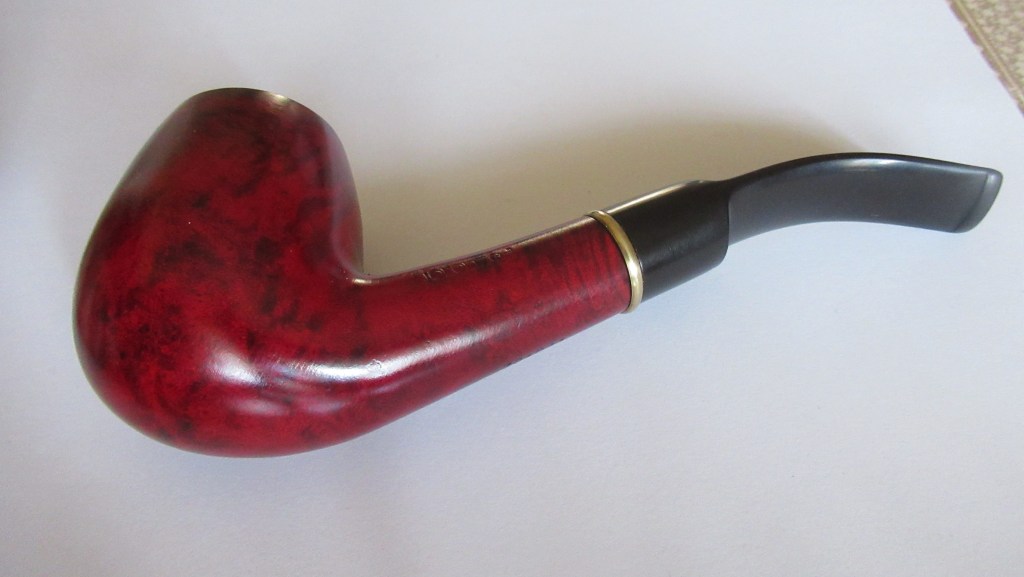
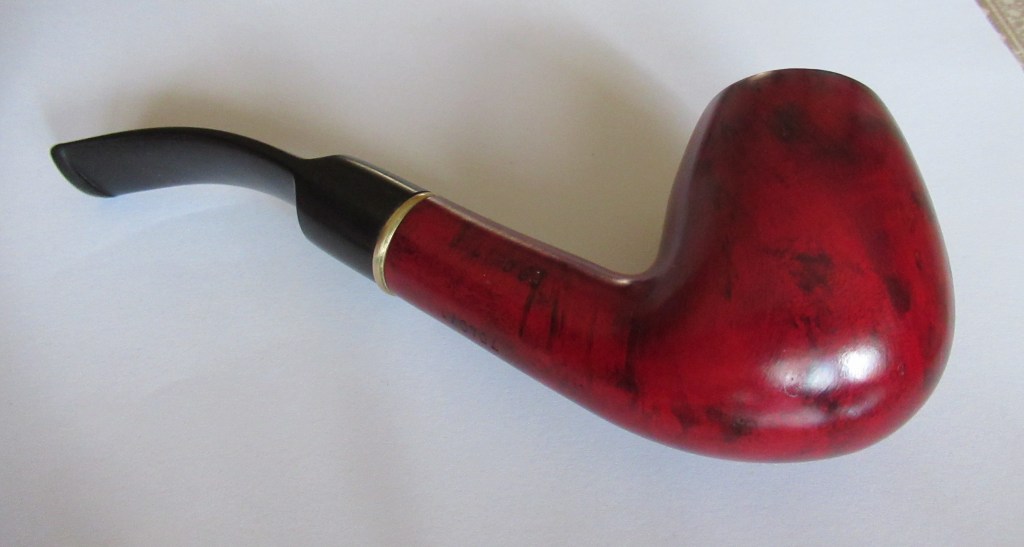
Slika 4-5. Lorenzo po obnovi.
Royal Star
Pri Royal Star sem pričakoval solidno, delovno pipo, nisem pa pričakoval tako izrazitega vzorca lesa. Po čiščenju, poliranju in voskanju je briar razkril čudovite plamene in ptičje oči (birdseye), ki jih pred obnovo skoraj ni bilo mogoče opaziti. Prav ta pipa je dokazala, koliko lahko pod površino skriva kakovosten briar.
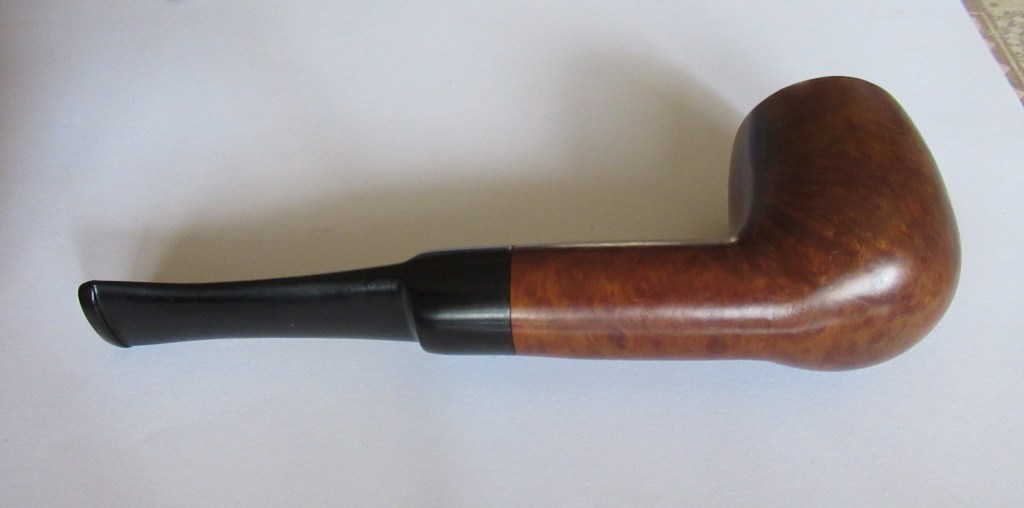
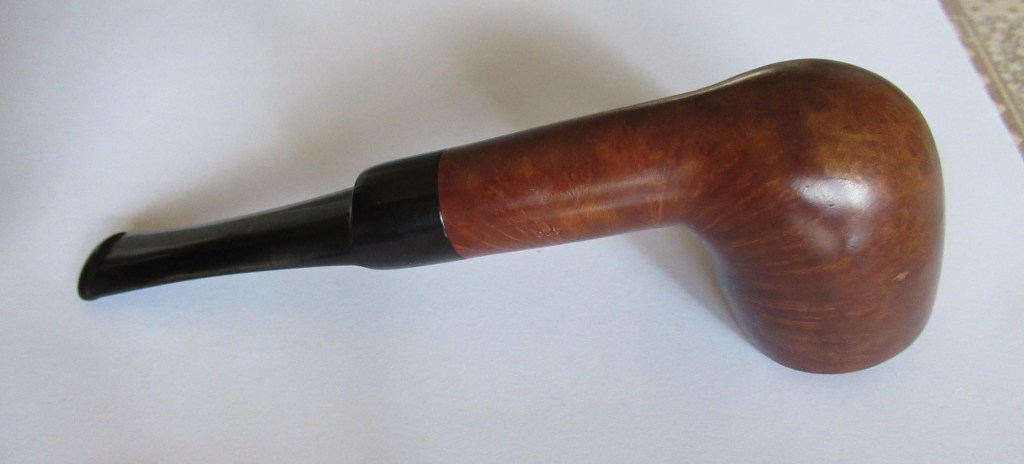
Slika 6-7. Royal Star po obnovi.
Denicotea Curling
Največja posebnost te pipe je njen značilni sistem zamenjave filtra. Ob prihodu je bila precej zanemarjena, predvsem zaradi ožganega roba kurišča. Med obnovo je bil rob previdno osvežen, manjši sledovi uporabe pa so namenoma ostali, saj bi popolna odstranitev zahtevala preveč posega v originalno obliko. Končni rezultat je elegantna in tehnično zanimiva pipa, ki ponovno deluje skoraj kot nova.
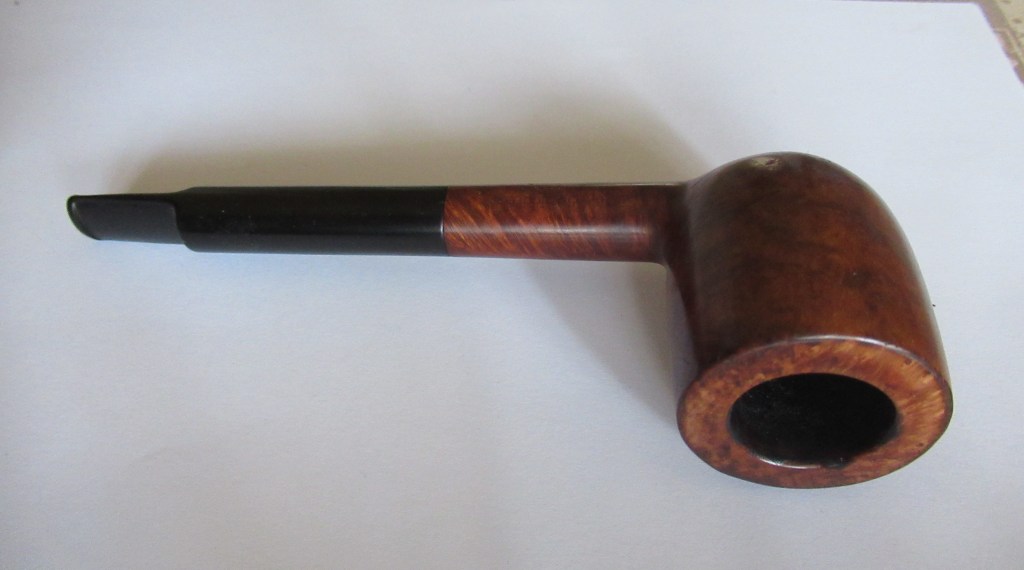
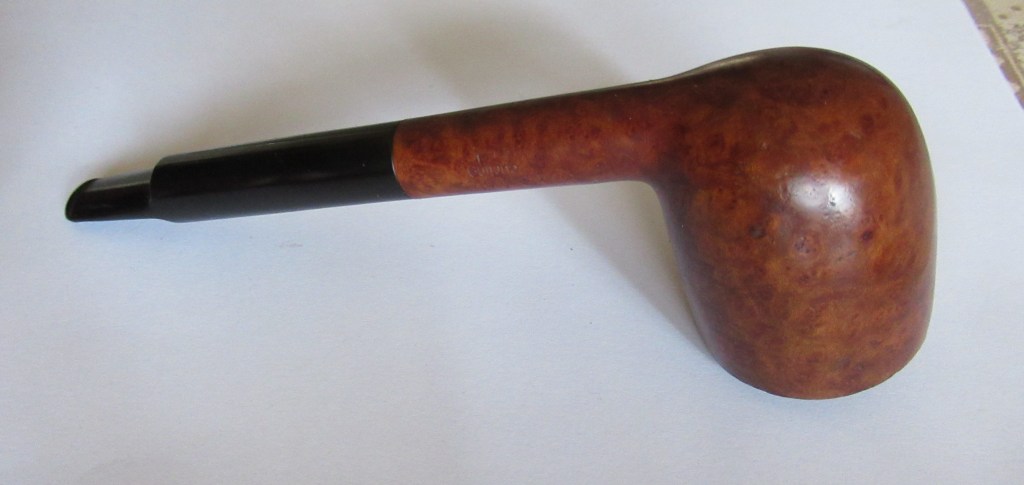
Slika 8-9. Denicotea Curling po obnovi.
Rustificirana pipa (brez oznake proizvajalca)
Ta pipa je bila ena največjih ugank celotnega kompleta. Zaradi manjših dimenzij in močno zanemarjenega kurišča je zahtevala precej temeljitega čiščenja. Po obnovi je rustikacija ponovno dobila globino in izrazit relief, največje presenečenje pa je predstavljal kakovostno izdelan aluminijast tenon, ki na dražbenih fotografijah sploh ni bil opazen. Danes je to ena najbolj karakterističnih pip iz celotnega projekta. Na fotografiji ustnik namenoma ni potisnjen do konca, da je aluminijasti nastavek bolje viden.
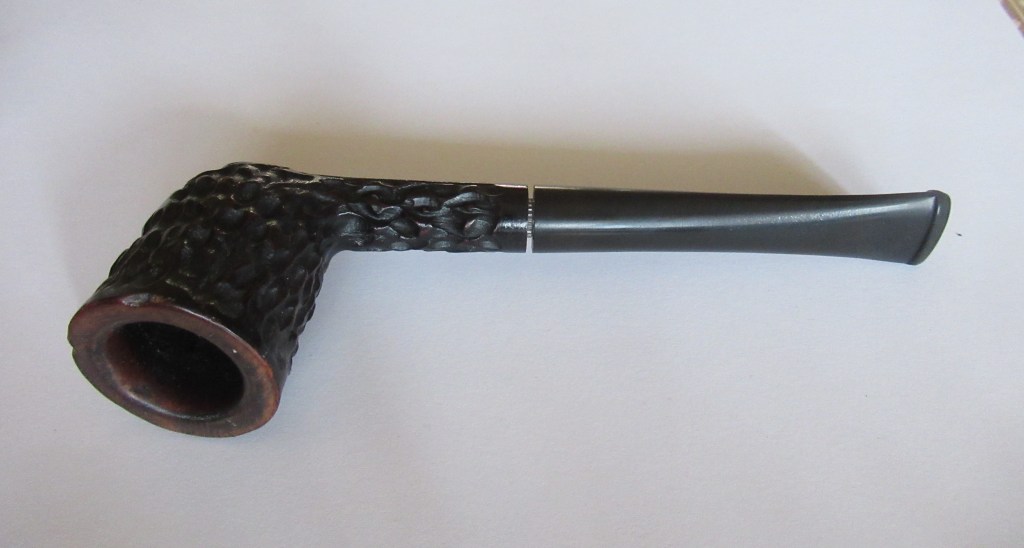
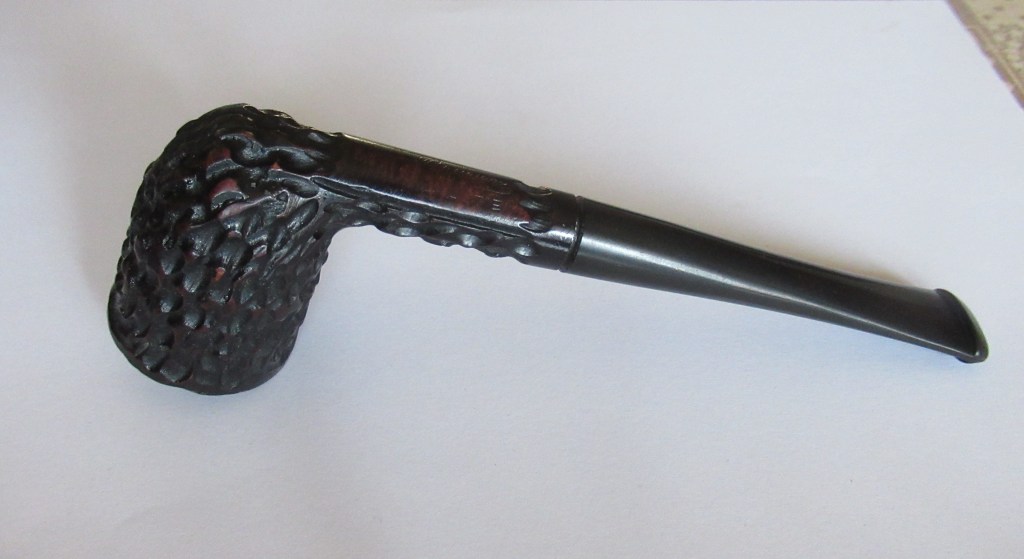
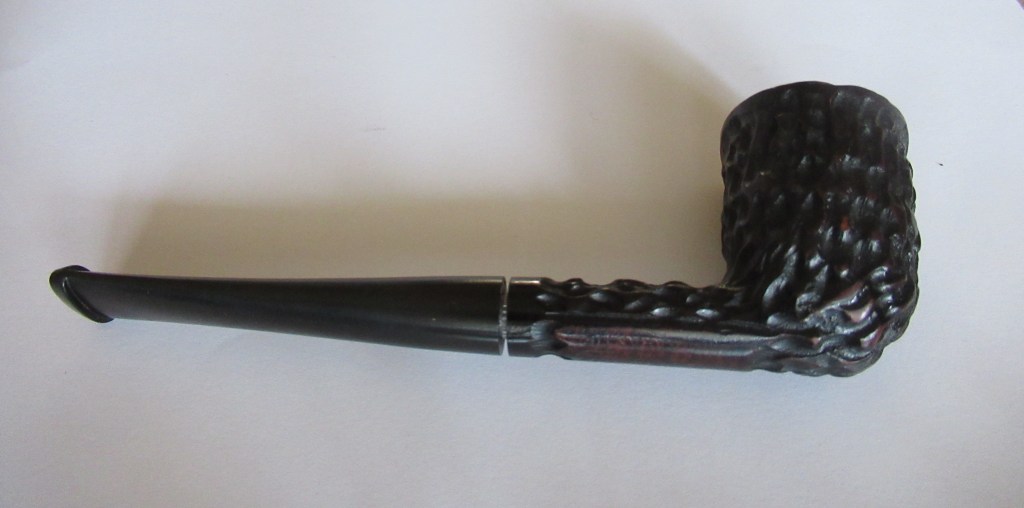
Slika 10–12. Rustificirana pipa (brez oznake proizvajalca) po obnovi.
Danish Design (brez oznake proizvajalca)
Gre za zelo majhno in priročno pipo, ki je že ob prihodu delovala praktično kot nova. Ker ni kazala nobenih sledov kajenja, je zadostovalo le nežno čiščenje oziroma brisanje površine. Poliranje in nanos novega voska nista bila potrebna, zato je ohranila svoj prvotni videz.
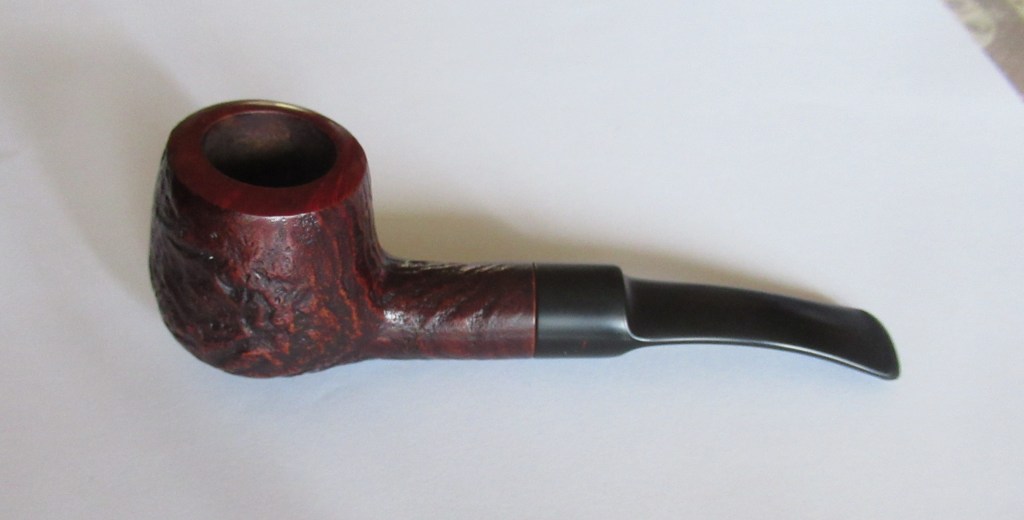
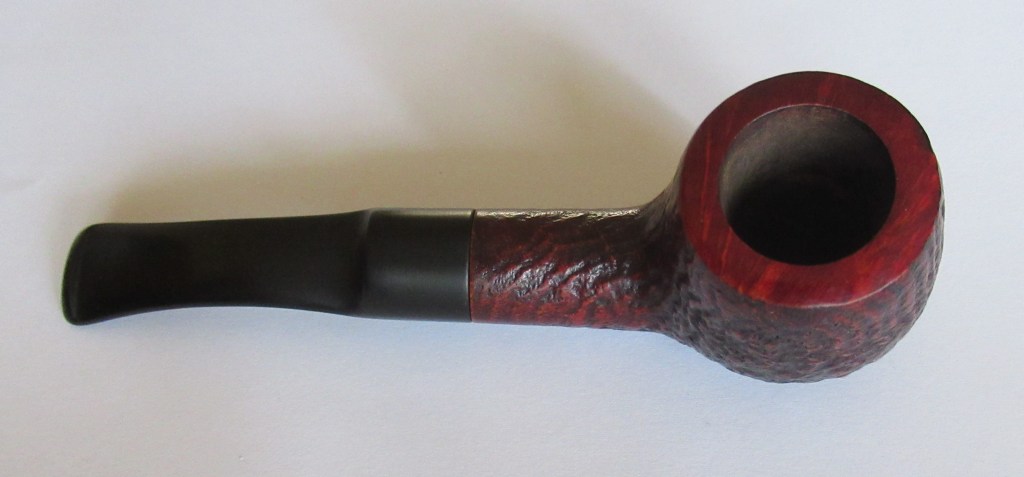
Slika 13–14. Danish Design (brez oznake proizvajalca) po osvežitvi.
Kaj me je ta obnova naučila?
- kakovostnih pip na dražbah še vedno ne (z)manjka,
- fotografije pogosto skrijejo tako napake kot tudi prednosti,
- največ dela predstavlja čiščenje in čakanje,
- potrpežljivost je pomembnejša od agresivnega brušenja,
- vsaka pipa ima svojo zgodbo in zgodovino.
Bi tak komplet kupil ponovno?
Če bi danes ponovno naletel na podoben komplet pip, ga brez večjega razmišljanja ponovno kupim.
Nobena od pip ni skrivala resnih konstrukcijskih napak, vse pa so po obnovi pokazale precej več, kot so obetale dražbene fotografije. Največje presenečenje tega projekta ni bila posamezna pipa, temveč dejstvo, da je prav vsaka razkrila nekaj, česar na začetku nisem pričakoval.
Prav takšna odkritja so razlog, da me obnova starih pip še vedno navdušuje. Pod plastmi oglja, oksidacije in desetletij uporabe se pogosto skriva kakovostna pipa, ki potrebuje le nekaj potrpežljivosti, znanja in časa, da ponovno zaživi.
Primerjalna ocena obnove
Naslednja tabela prikazuje primerjavo med pričakovano zahtevnostjo obnove, ocenjeno na podlagi dražbenih fotografij, in dejansko zahtevnostjo po zaključeni obnovi. Dodane so tudi kratke ugotovitve o posamezni pipi.
| Pipa | Pričakovana zahtevnost | Dejanska zahtevnost | Ključna ugotovitev |
|---|
| Passatore | ★★★☆☆ | ★★★☆☆ | Največje pozitivno presenečenje – pod umazanijo odličen briar. |
| Lorenzo | ★★☆☆☆ | ★★☆☆☆ | Lepši finiš in izrazitejše barve, kot so kazale dražbene fotografije. |
| Royal Star | ★★★☆☆ | ★★★☆☆ | Potrdila pričakovanja, po čiščenju izstopil lep vzorec lesa. |
| Denicotea Curling | ★★★☆☆ | ★★★☆☆ | Nekaj dodatnega dela zaradi ožganega roba, sicer brez večjih presenečenj. |
| Rustificirana (brez oznake proizvajalca) | ★★☆☆☆ | ★★★☆☆ | Komora precej bolj zanemarjena, kot je bilo videti na fotografijah, aluminijasti nastavek je zahteval dodatno čiščenje. |
| Danish Design (brez oznake proizvajalca) | ★☆☆☆☆ | ★☆☆☆☆ | Praktično nova pipa, potrebovala le nežno čiščenje. |
Zaključna misel
Obnova starih pip je veliko več kot le čiščenje, poliranje in odstranjevanje sledov dolgoletne uporabe. Vsaka pipa nosi svojo zgodbo, svoj značaj in sledi prejšnjih lastnikov. Naloga restavratorja ni, da to zgodovino izbriše, temveč da jo spoštljivo ohrani in pipi omogoči novo življenjsko obdobje.
Projekt obnove tega kompleta pip je še enkrat potrdil, da dražbene fotografije pogosto ne pokažejo vsega. Pod plastmi umazanije, oksidacije in oglja se lahko skriva kakovosten briar, zanimive tehnične rešitve in izdelava, ki si zasluži novo priložnost.
Od šestih pip sta Passatore, Lorenzo in Danish Design ostale v moji osebni zbirki, medtem ko bodo preostale po obnovi razveselile nove lastnike. Prav to je tudi eden od namenov takšnih projektov – ohraniti kakovostne pipe v uporabi in jim omogočiti, da pišejo nova poglavja svoje zgodbe.
Če bo ta serija člankov komu pomagala pri odločitvi za nakup stare pipe ali ga spodbudila, da se loti njene obnove, bo dosegla svoj namen.
Zame se projekt tukaj konča. Za teh šest pip pa se pravzaprav šele začenja novo poglavje.
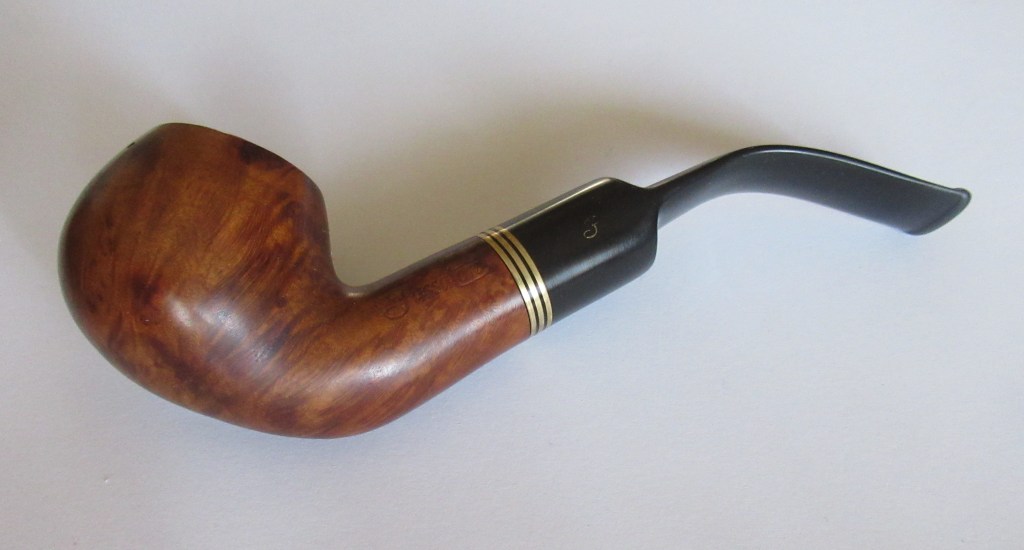
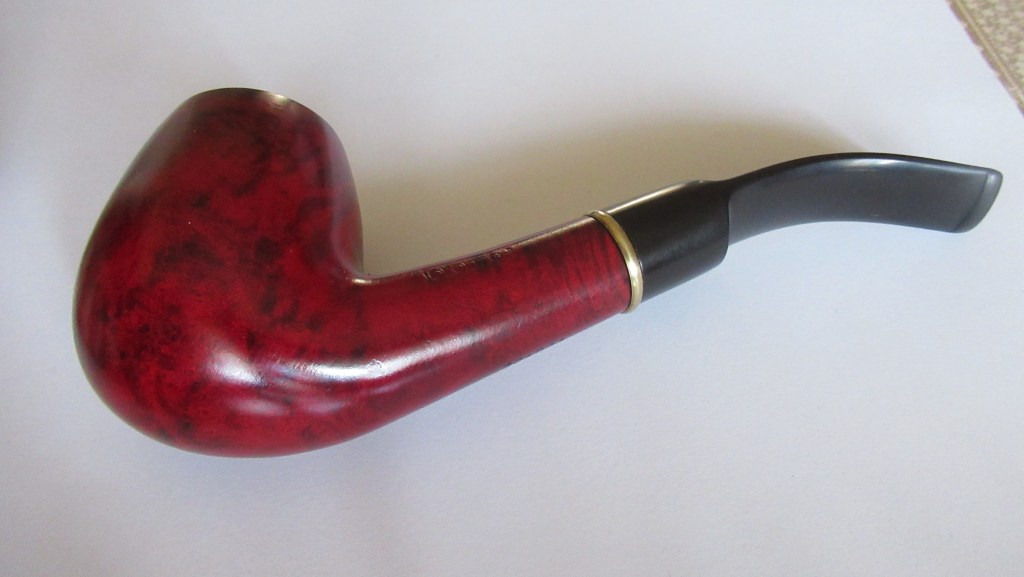
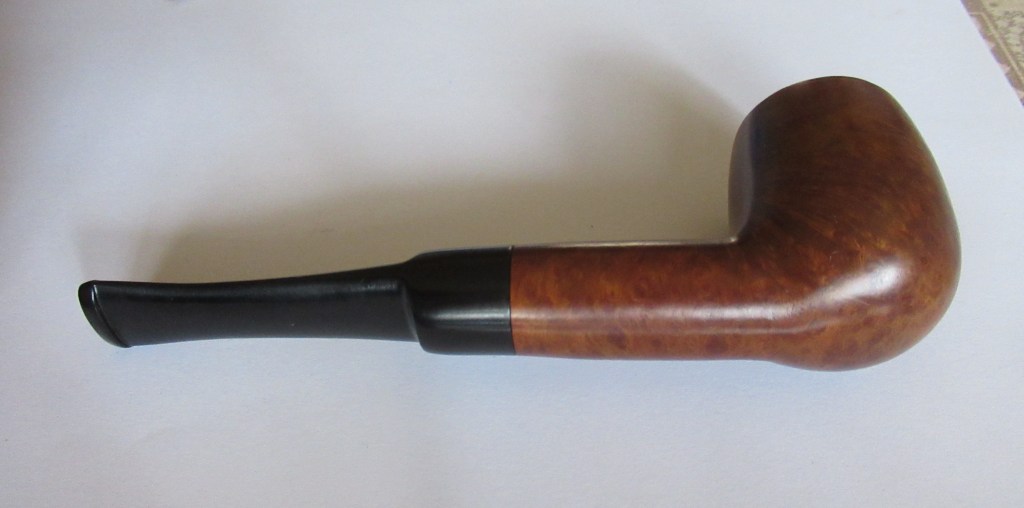
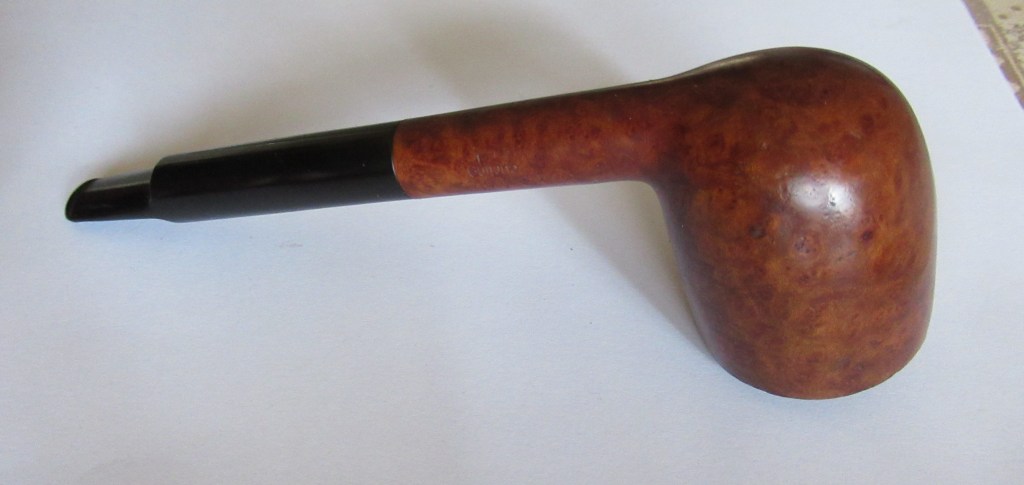
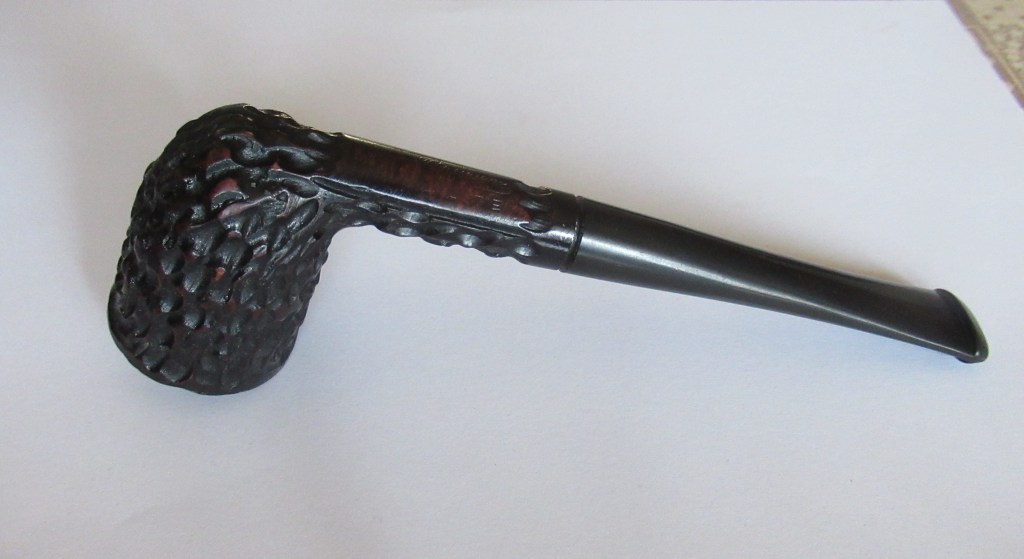
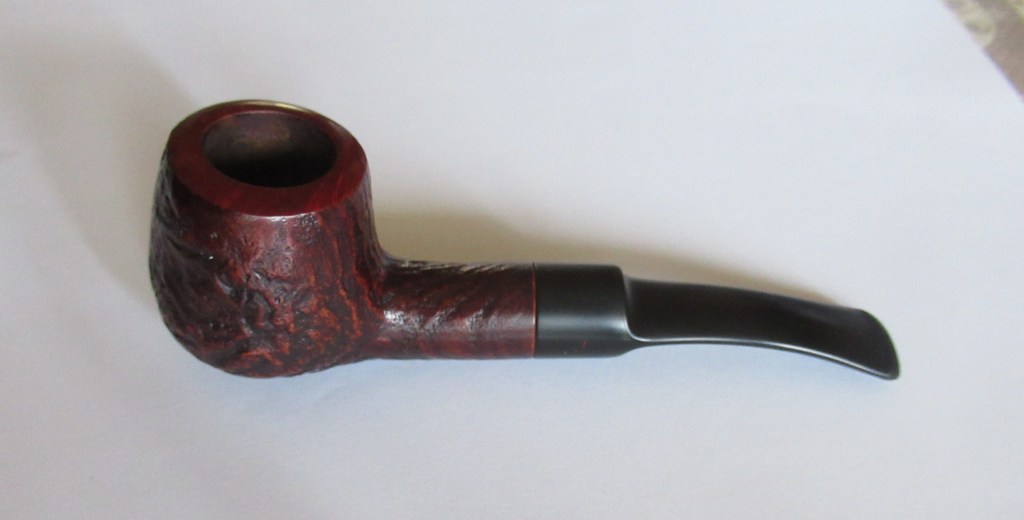
Galerija 1. Končni videz vseh šestih obnovljenih pip po zaključku projekta.
Več informacij o pipah in dodatkih za njihovo uporabo je na Mosir Smoking Pipes: Facebook & Instagram & Etsy
🇬🇧 English version
From eBay Auction to the First Smoke – Part 5: Final Results and Restoration Assessment
Introduction
After several days of cleaning, drying, restoring the briar, and refurbishing the stems, the moment finally arrived to reassemble all six pipes. Only then does it become clear whether the effort invested was worthwhile and whether each pipe has regained its original character.
From the first auction photographs to the finished restoration, this project required considerably more time than I had initially expected. That is precisely why this was the most anticipated moment of the entire project—the first opportunity to see all six restored pipes together as a completed collection.
Figure 1. All six restored pipes after final assembly.
Did the Initial Expectations Come True?
In the first part of this series, I described my expectations for each pipe based solely on the auction photographs. Now that the restoration is complete, those expectations can finally be compared with reality.
Passatore
In the auction photographs, Passatore appeared to be the most worn pipe in the lot. After restoration, however, it turned out to be one of the biggest positive surprises. Beneath the heavy layers of cake and grime was a beautifully preserved briar with striking grain and plenty of character. Looking at it today, it is hard to believe that it originally appeared to be the most neglected pipe of the group.
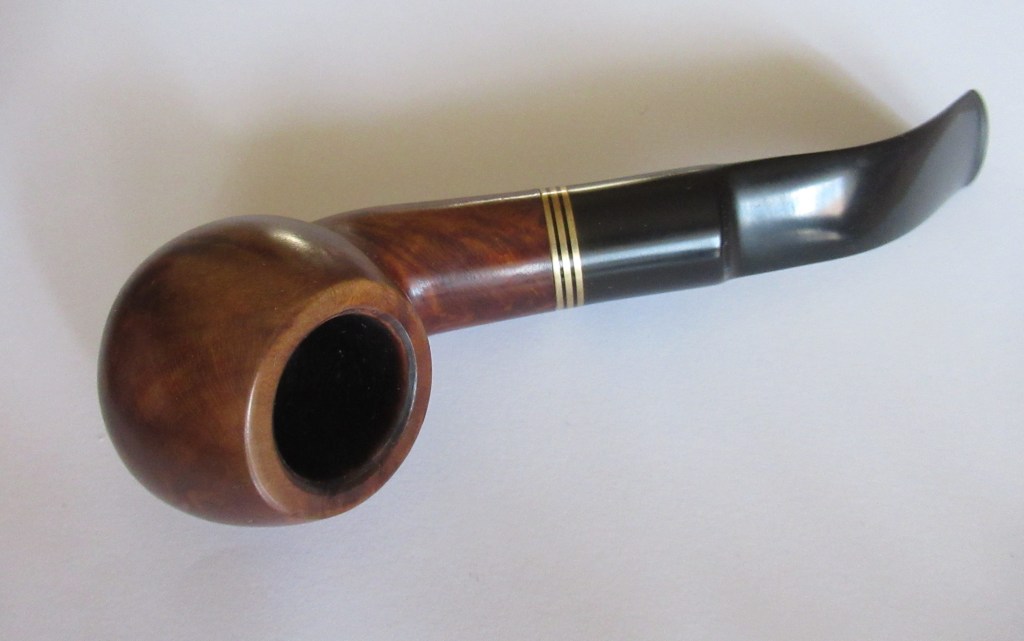
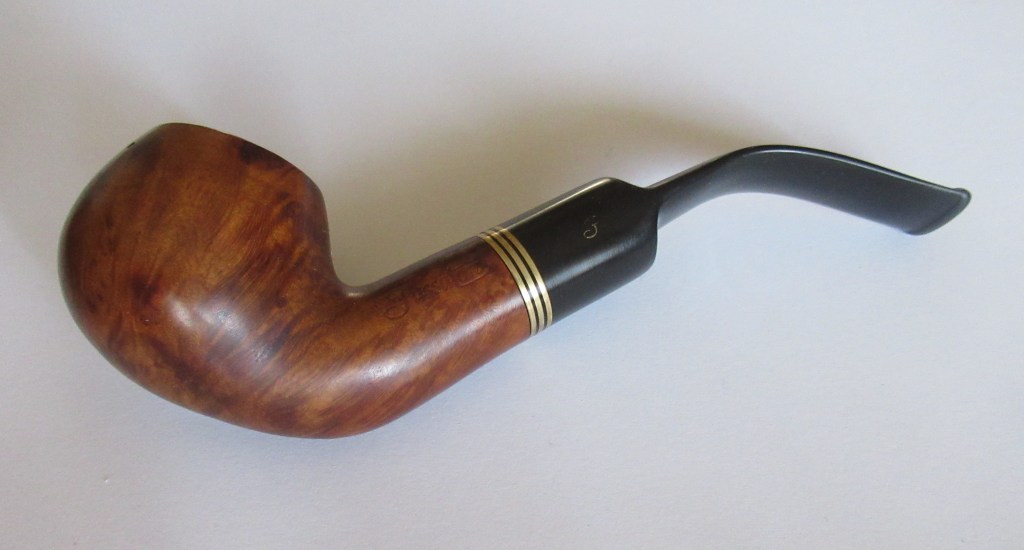
Figures 2–3. Passatore after restoration.
Lorenzo
Lorenzo already gave the impression of being a quality pipe, but only after restoration did it truly reveal its character. The rich reddish tones, the depth of the finish, and the beautifully defined grain were largely hidden in the auction photographs. The final result exceeded my expectations.
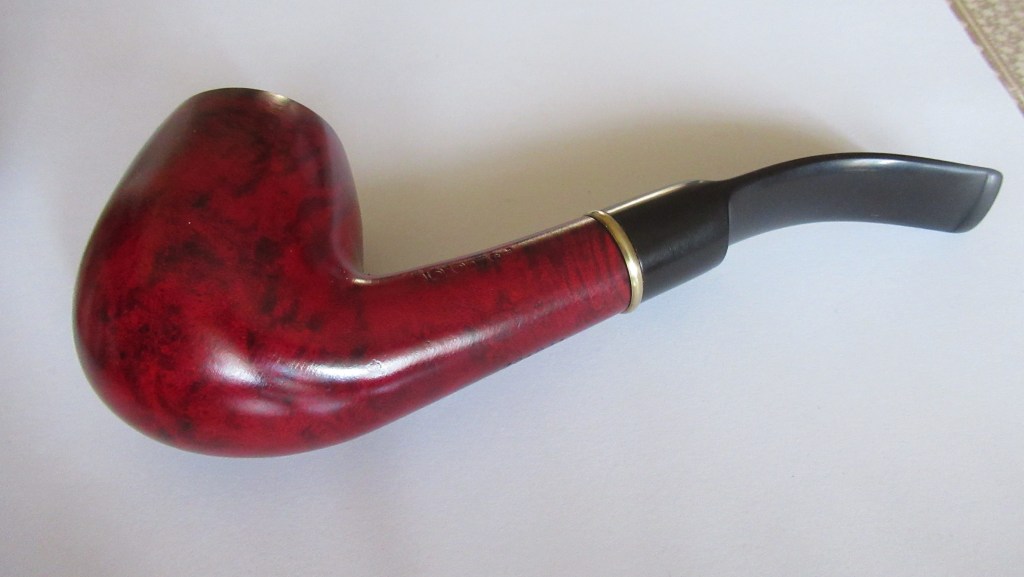
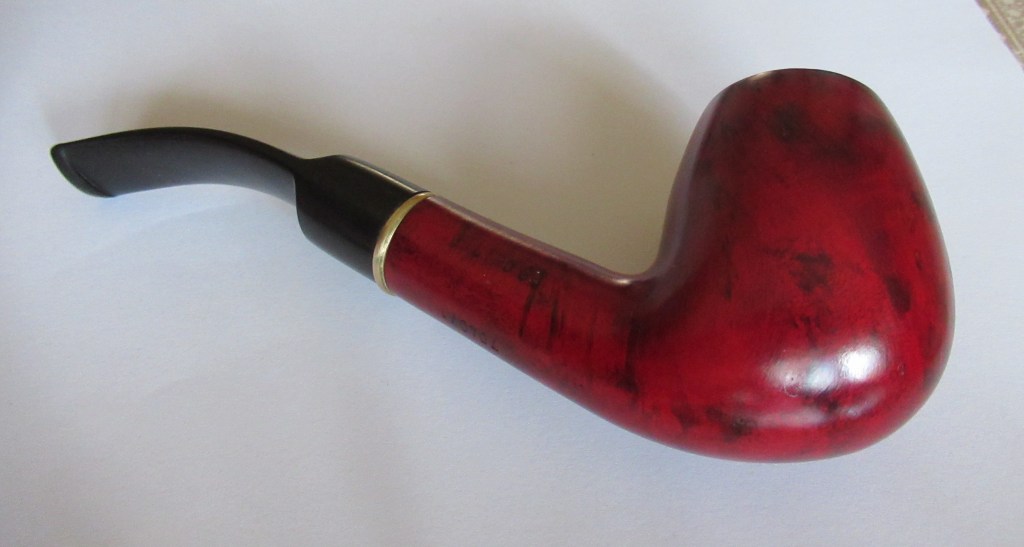
Figures 4–5. Lorenzo after restoration.
Royal Star
I expected Royal Star to be a solid everyday smoker, but I certainly did not expect such attractive grain. After cleaning, polishing, and waxing, the briar revealed beautiful flame grain and birdseye patterns that were almost impossible to detect beforehand. This pipe perfectly demonstrates how much quality briar can remain hidden beneath years of use.
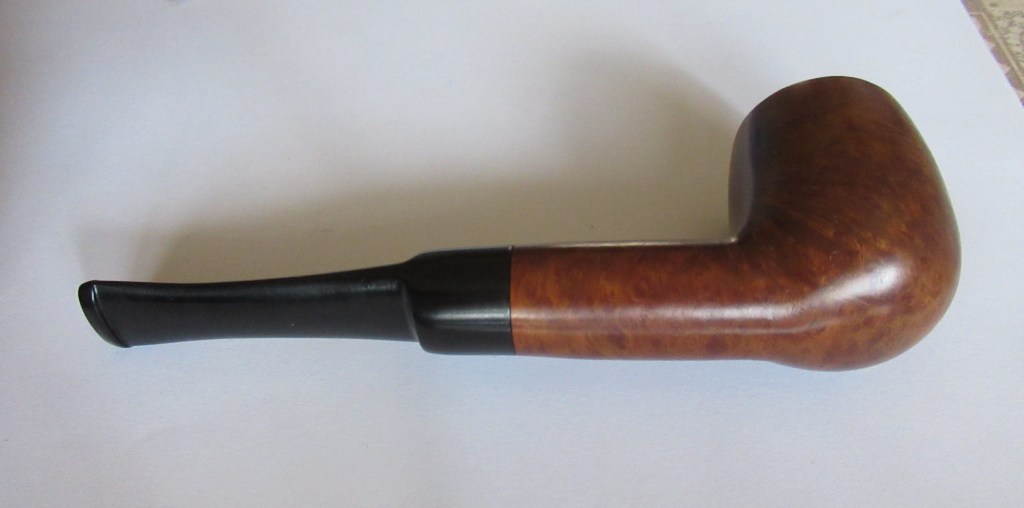
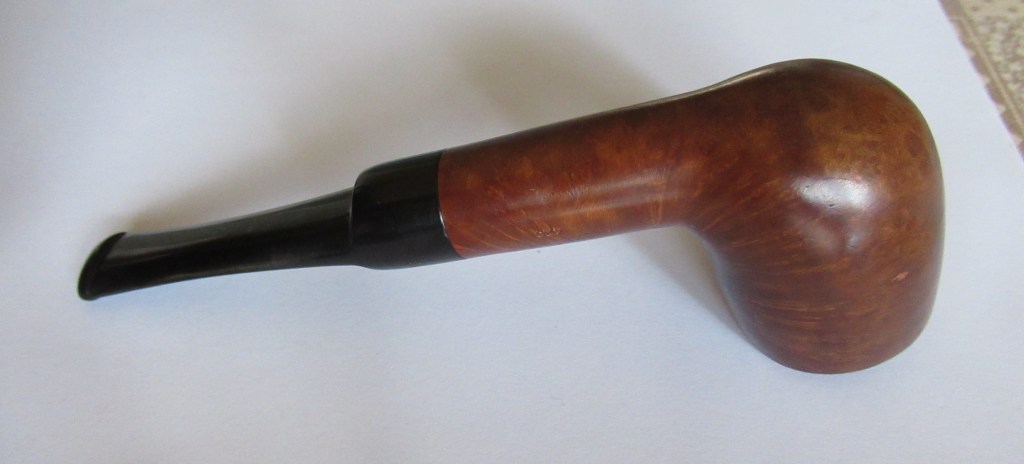
Figures 6–7. Royal Star after restoration.
Denicotea Curling
The most distinctive feature of this pipe is its characteristic filter system. Upon arrival, it appeared rather neglected, mainly because of the burned chamber rim. During restoration, the rim was carefully refreshed, while minor traces of use were intentionally preserved, as completely removing them would have required excessive alteration of the original shape. The final result is an elegant and technically interesting pipe that once again looks almost new.
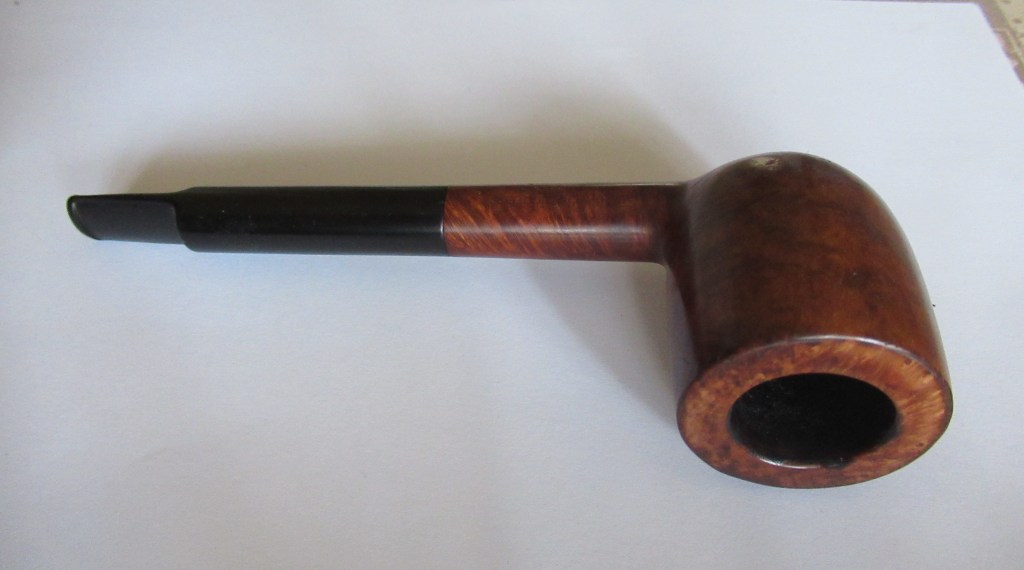
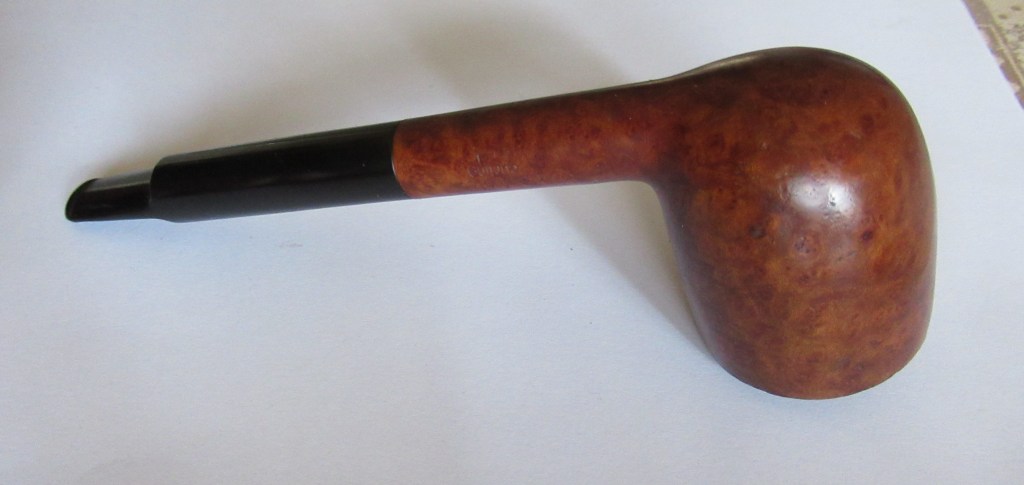
Figures 8–9. Denicotea Curling after restoration.
Rusticated Pipe (Unmarked)
This pipe was one of the greatest mysteries of the entire lot. Because of its smaller size and heavily neglected tobacco chamber, it required extensive cleaning. After restoration, the rustication regained its depth and texture, while the biggest surprise was a well-made aluminum tenon that had gone completely unnoticed in the auction photographs. Today, it has become one of the most distinctive pipes in the project.
In the photographs, the stem has intentionally not been fully inserted so that the aluminum tenon remains clearly visible.
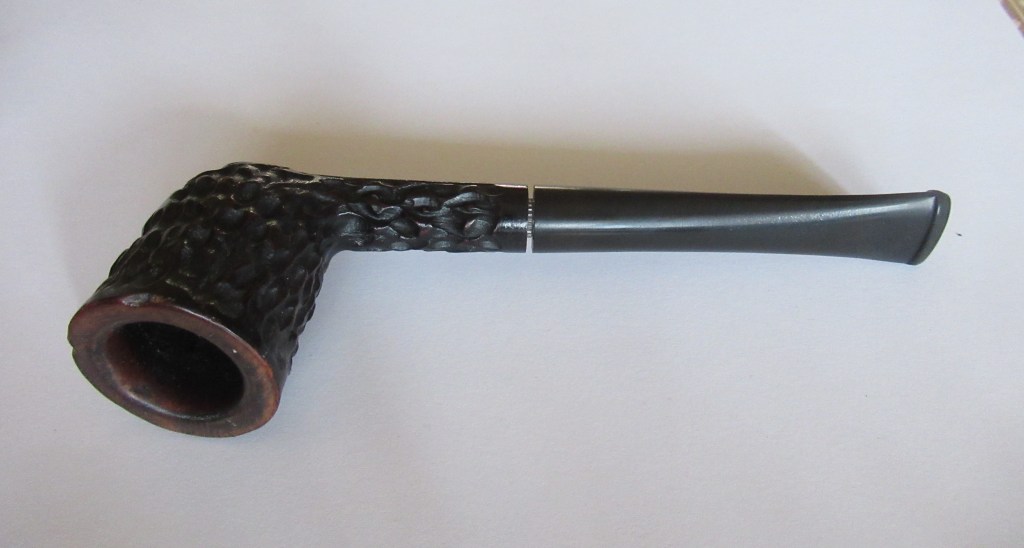
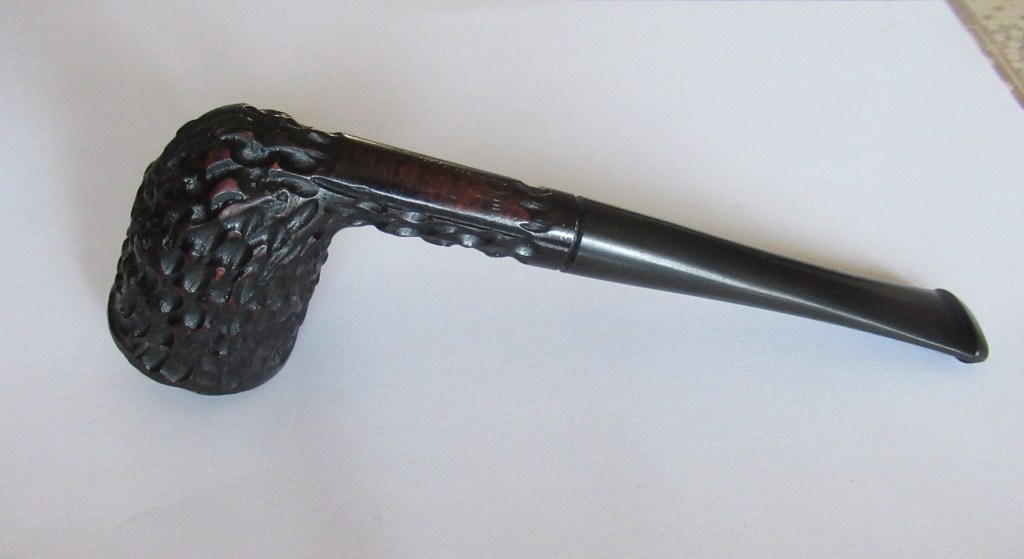
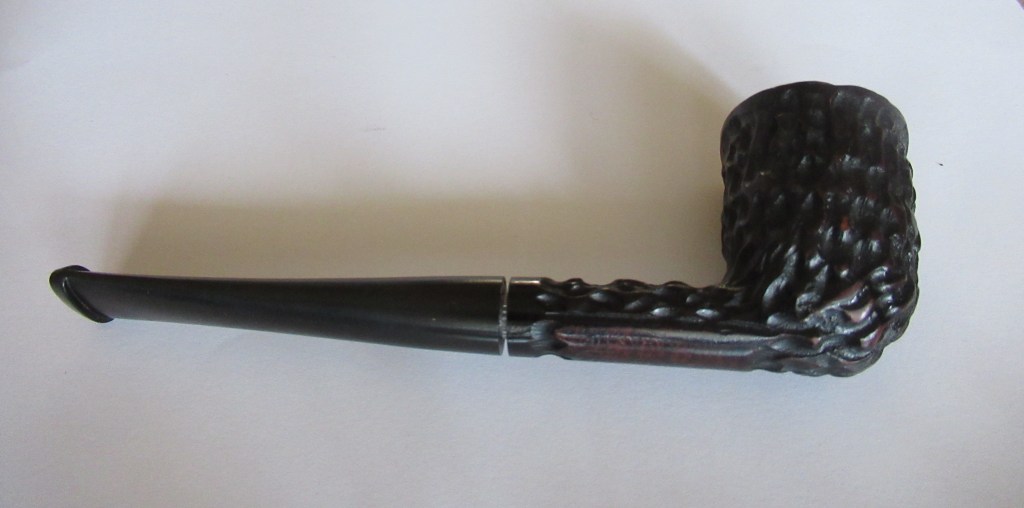
Figures 10–12. Rusticated pipe (unmarked) after restoration.
Danish Design (Unmarked)
This is a very small and practical pipe that already appeared almost new upon arrival. Since it showed no signs of previous use, only gentle cleaning and wiping of the surface were necessary. Polishing and a fresh coat of wax were unnecessary, allowing the pipe to retain its original appearance.
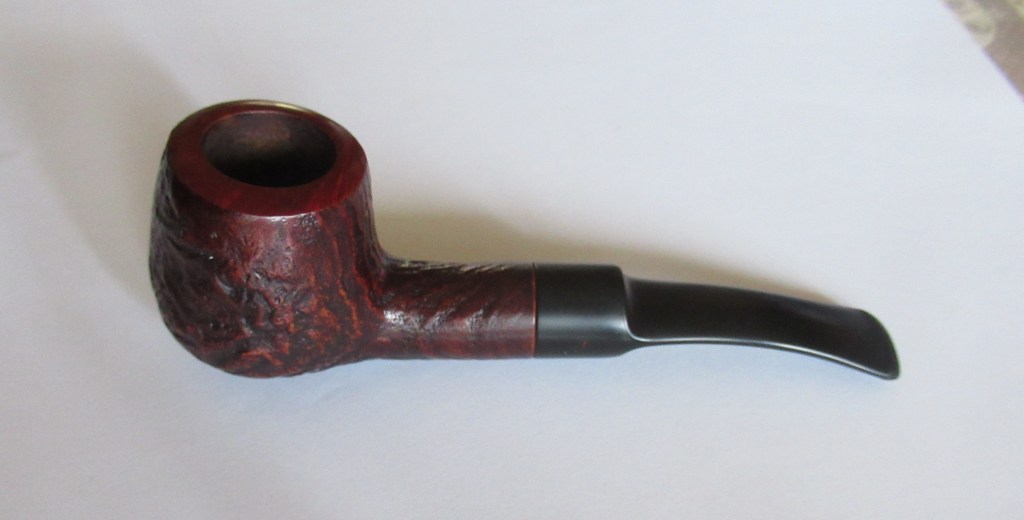
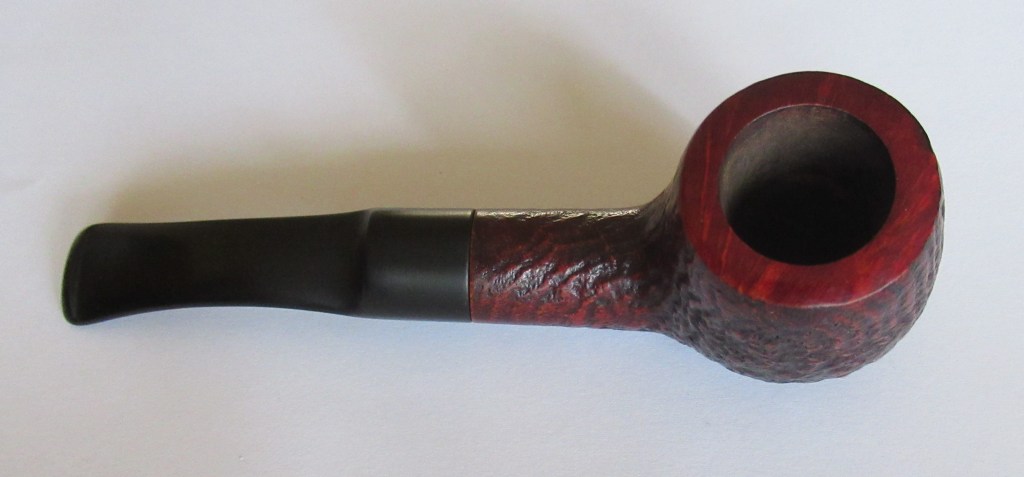
Figures 13–14. Danish Design (unmarked) after refreshing.
What Did This Restoration Teach Me?
- Quality estate pipes can still be found at auction.
- Auction photographs often conceal both flaws and strengths.
- Most of the work involves cleaning—and waiting.
- Patience is more important than aggressive sanding.
- Every pipe has its own history and story to tell.
Would I Buy a Similar Lot Again?
Without hesitation.
If I came across a similar lot of estate pipes today, I would gladly buy it again.
None of the pipes concealed any serious structural defects, and every one of them revealed far more after restoration than the auction photographs had suggested. The biggest surprise of the entire project was not any single pipe, but the fact that each one revealed something I had not expected.
Discoveries like these are exactly why restoring estate pipes continues to fascinate me. Beneath layers of cake, oxidation, and decades of use often lies a quality pipe that simply needs patience, experience, and time to come back to life.
Restoration Comparison
The following table compares the expected restoration difficulty, estimated from the auction photographs, with the actual difficulty encountered during the restoration. It also summarizes the most notable findings for each pipe.
| Pipe | Expected Difficulty | Actual Difficulty | Key Observation |
|---|---|---|---|
| Passatore | ★★★☆☆ | ★★★☆☆ | Biggest positive surprise—excellent briar hidden beneath heavy grime. |
| Lorenzo | ★★☆☆☆ | ★★☆☆☆ | Richer finish and more vibrant colours than expected. |
| Royal Star | ★★★☆☆ | ★★★☆☆ | Met expectations; beautiful grain emerged after cleaning. |
| Denicotea Curling | ★★★☆☆ | ★★★☆☆ | Slightly more work due to the burned rim, otherwise straightforward. |
| Rusticated pipe (maker unknown) | ★★☆☆☆ | ★★★☆☆ | Chamber was in much worse condition than expected; the aluminum tenon required additional cleaning. |
| Danish Design (maker unknown) | ★☆☆☆☆ | ★☆☆☆☆ | Virtually new; only gentle cleaning was required. |
Final Thoughts
Restoring estate pipes is about far more than cleaning, polishing, and removing the marks left by decades of use. Every pipe carries its own story, its own character, and traces of its previous owners. The restorer’s task is not to erase that history, but to preserve it with respect while giving the pipe a new chapter in its life.
This restoration project once again confirmed that auction photographs rarely tell the whole story. Beneath layers of grime, oxidation, and carbon often lies quality briar, clever engineering, and craftsmanship that deserves a second chance.
Of the six restored pipes, Passatore, Lorenzo and Danish Design have remained in my personal collection, while the remaining three will hopefully bring enjoyment to new owners. That is, after all, one of the main goals of projects like this—to preserve quality pipes, keep them in use, and allow them to continue writing new chapters of their stories.
If this series encourages even one reader to purchase an estate pipe or inspires someone to restore one themselves, then it will have achieved its purpose.
For me, the project ends here. For these six pipes, however, a new chapter is only just beginning.
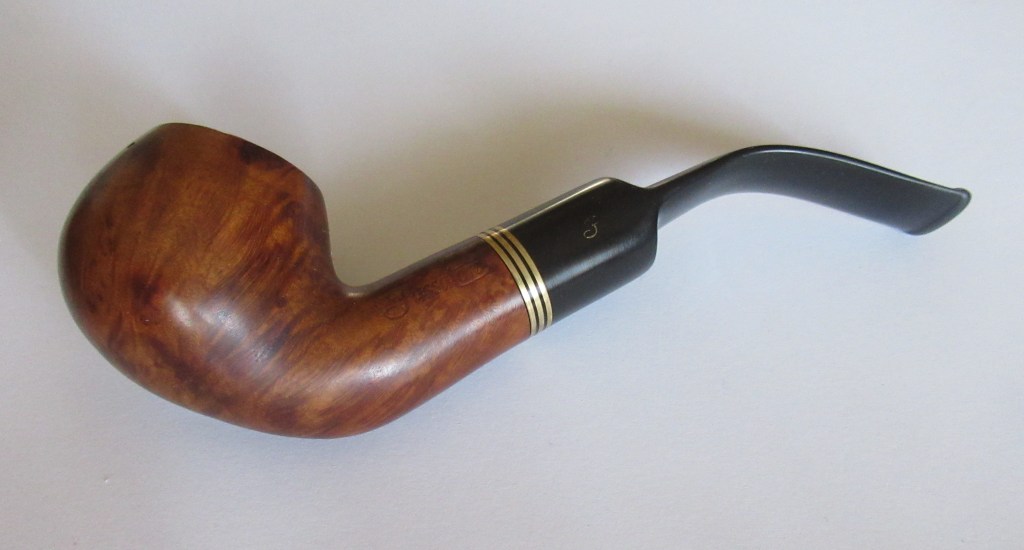
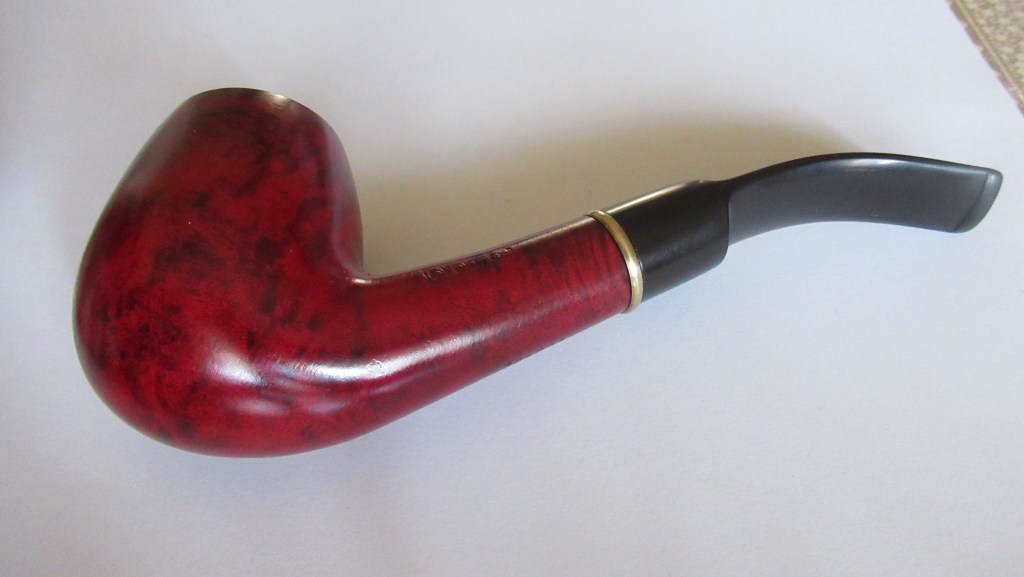
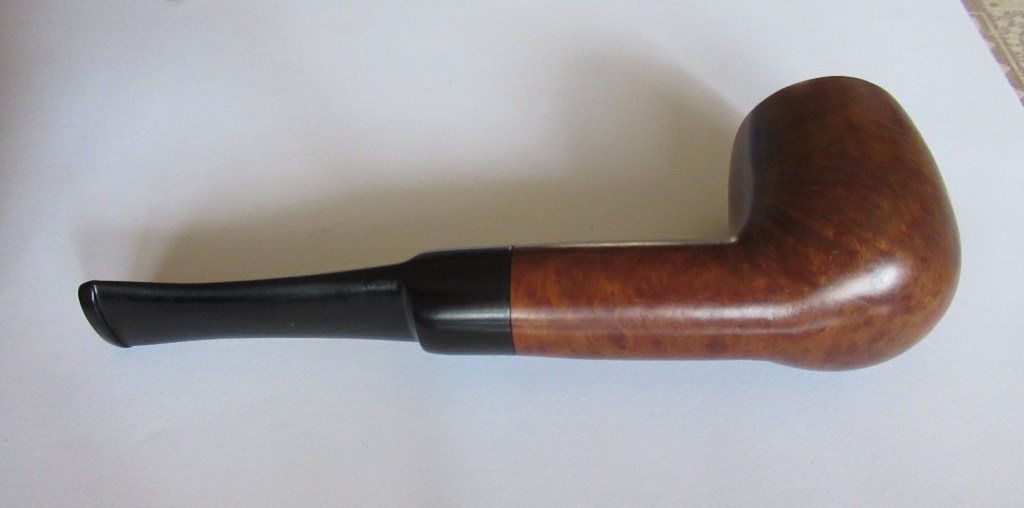
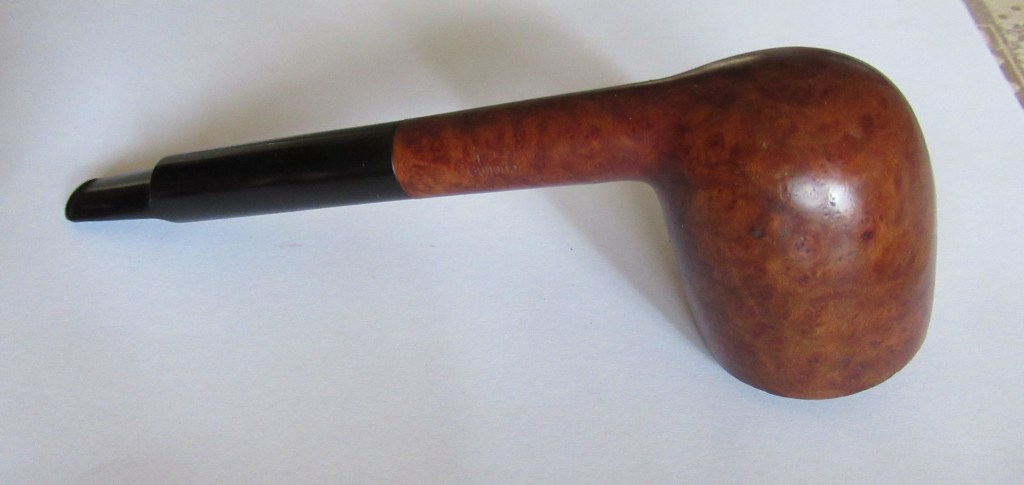
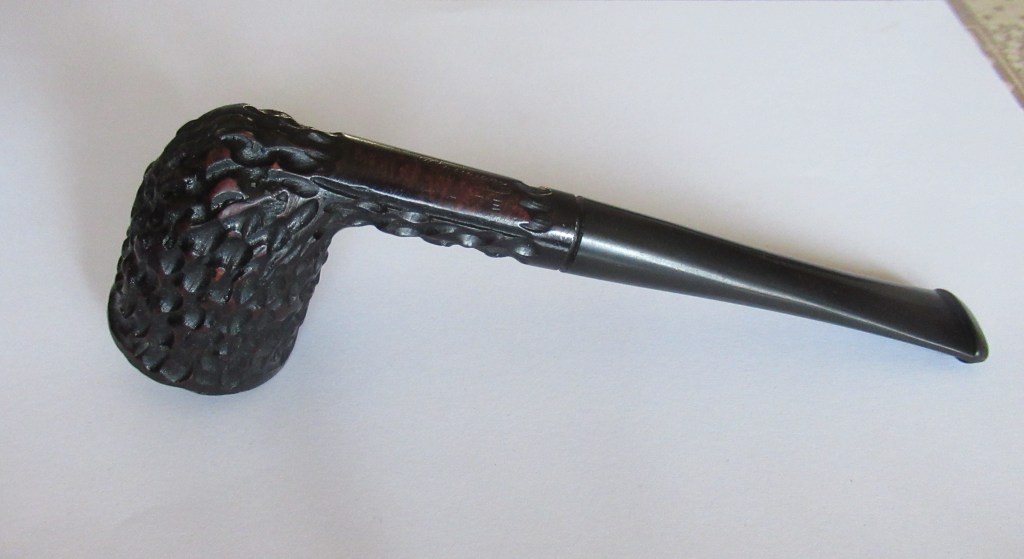
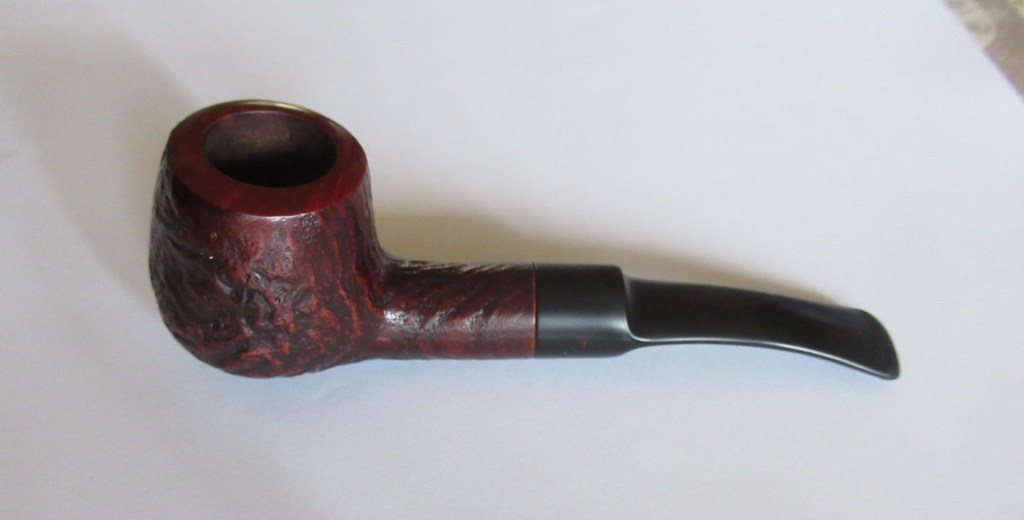
Gallery 1. Final appearance of all six restored pipes at the completion of the project.
More info about pipes and other products for their use you can get at: Mosir Smoking Pipes – Facebook & Instagram & Etsy.
Discover more from Ko pipa zadiši... / When you smell the pipe...
Subscribe to get the latest posts sent to your email.

